


Latest Posts
Podcast: Verizon, SES and goTenna on how COVID-19 and natural disasters present an unprecedented threat to emergency communications

The ongoing COVID-19 pandemic has put enormous strain on the economy, public safety, and the healthcare system. It’s also put a strain on cell networks. Remote workers have been flooding our information gateways en masse. Telehealth, virtual educational classes, and remote meetings on Zoom are all necessary, but also eat

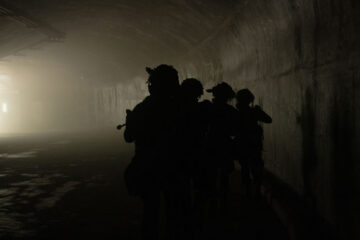
Today’s federal law enforcement agencies are powered by mobility
Cities and governments across the world are leveraging connected devices to help improve public safety, environmental friendliness, and constituent experience. These smart cities, including Singapore and Boston, are using Internet of Things (IoT) connected devices to support their first responders. From digital signage and smart traffic to utility monitoring and connected
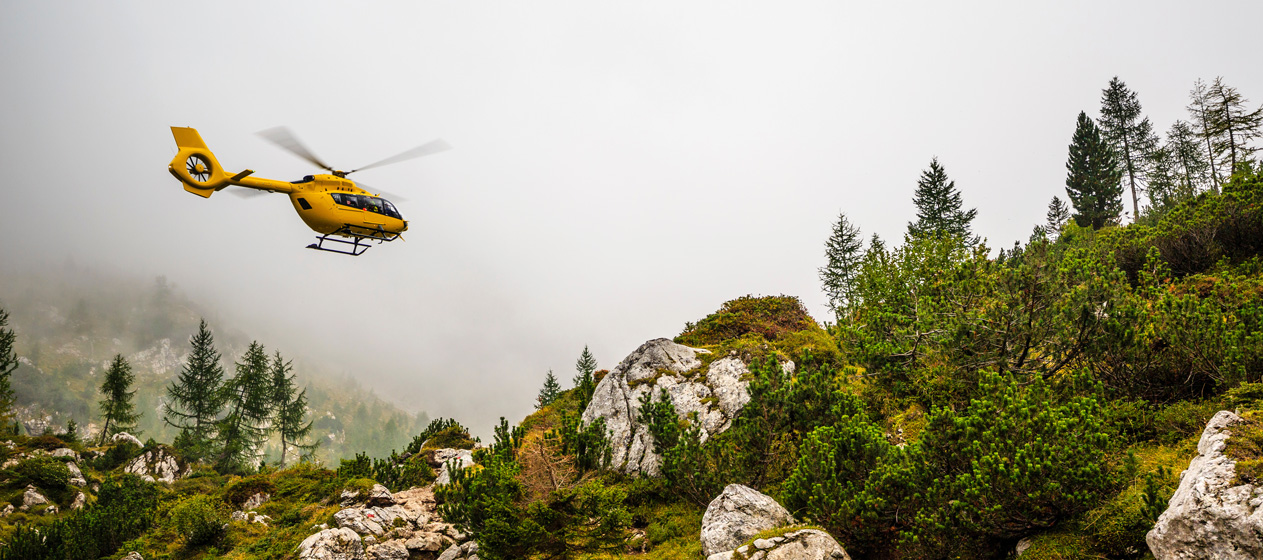
Virtual Demo | goTenna Pro for Emergency Response


Communications are the ultimate lifeline for emergency responders — but mission-critical cell, wifi, radio, and satellite networks are often the first casualty of a natural or man-made disaster. As emergency response teams face potentially record-breaking secondary disasters in addition to the global COVID-19 pandemic, communications capabilities will become even more

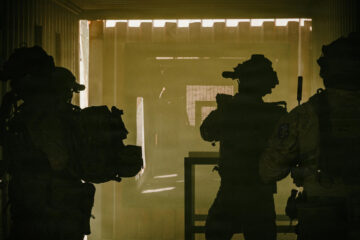
Virtual Demo | goTenna Pro for Tactical Law Enforcement
Tactical law enforcement units operate in congested urban areas, in and out of buildings and vehicles, and even in remote locations. No matter the mission, communications tools are essential to maintaining situational awareness and a low visibility profile — but what happens when cell, wifi, and radio networks become unreliable
