

Emergency Response

25 Years After 9/11, Communications and Interoperability Still a Challenge

September 11, 2026, marks 25 years since the deadliest terrorist attack in American history—a day of almost unimaginable loss that changed our country and the lives of a generation. As we remember those who lost their lives, those who responded, and those who answered a call to serve in the
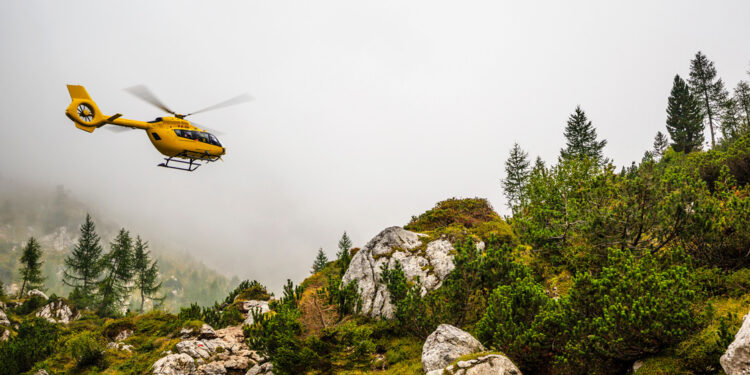
Search and Rescue Without Signal: Reinventing Communication in Virginia’s Twin County Region

In rural America, search and rescue teams, law enforcement officers, and fire departments often operate in places with limited cell coverage and few communications options. Dense tree lines, mountain valleys, and miles of unlit roadway can quickly turn a routine response into a coordination challenge. Portable radios lose coverage once
goTenna and The Last Mile – Reflecting on an Action-Packed 2025

It’s a new year, and the teams at The Last Mile and goTenna would like to take the opportunity to thank each and every one of our readers who spend their time on the site, reading our articles on communications and connectivity at the tactical edge in 2025. Last year
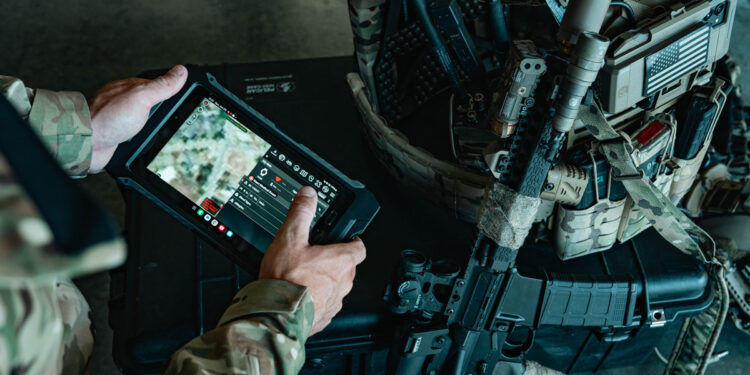
Rain Technology Solutions and goTenna Revolutionize Medical Response for the DoD
When someone is injured in the field—whether it’s a soldier in combat, a firefighter responding to an active wildland fire, or a Border Patrol Agent on remote terrain—every second counts when giving lifesaving medical aid. But in the chaos of a crisis, reliable communication and accurate medical tracking are often
The Galleon advantage: How Armada and goTenna are revolutionizing tactical communications
In the chaos of austere and forward-deployed environments—remote and infrastructure-poor locations where military and law enforcement personnel must operate without traditional support—one of the greatest threats isn’t just the enemy, but the lack of reliable communication. Traditional networks are fragile, easily disrupted, and often nonexistent in these high-risk areas, leaving
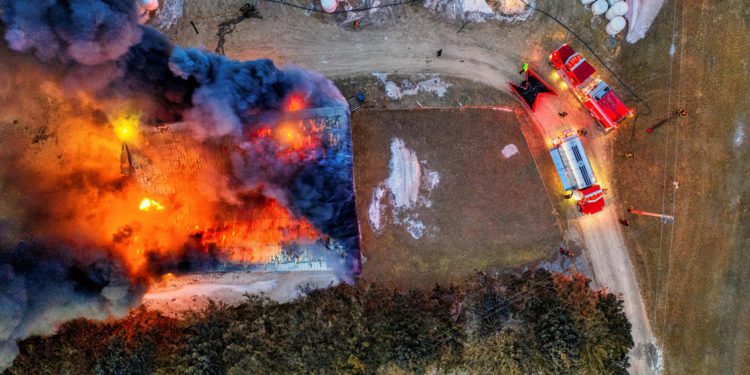
8 grant programs for acquiring interoperable, resilient mission-critical comms solutions


State and local government agencies are increasingly depending on mobile devices, including smartphones, for communication and data sharing during emergency and disaster response situations. However, for many of these organizations—such as law enforcement, emergency responders, and other first responders—the cellular networks they rely on can become unavailable when needed most.

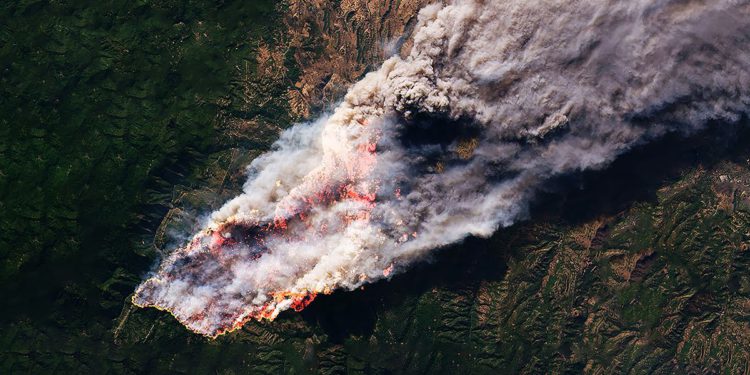
Rising above the flames: How Urban Sky’s Microballoon is transforming wildfire management
Wildfire incidents are escalating in both frequency and intensity each year, wreaking havoc on ecosystems, displacing communities, and endangering countless lives. In fact, according to a study by Nature Ecology & Evolution, the number of extreme wildfires has more than doubled over the past two decades. The unpredictable behavior and

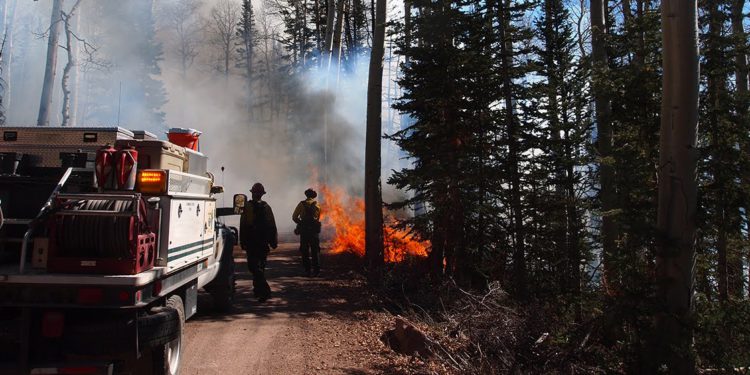
Top 3 tips for emergency responders for maintaining contact and interoperability in challenging environments
Preparing for disaster response presents emergency responders with complex and unique challenges. They must navigate high-pressure situations where clear and reliable communication is critical, often in environments where systems may be compromised or overloaded. In addition, responders need to integrate advanced technologies, such as GPS tracking and real-time data sharing,

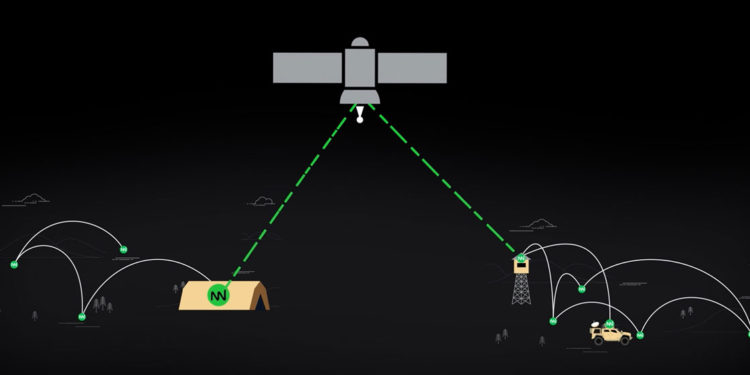
Data sheet | Setting up goTenna Backhaul with TAK Environments
With goTenna, you can backhaul each operator’s location to the command center right from the area of operations using satellite or Wi-Fi connectivity. Within a goTenna backhaul setup, users can send PLI, messages and objects from the goTenna mesh network, where users are only mesh-connected. Learn more about how to

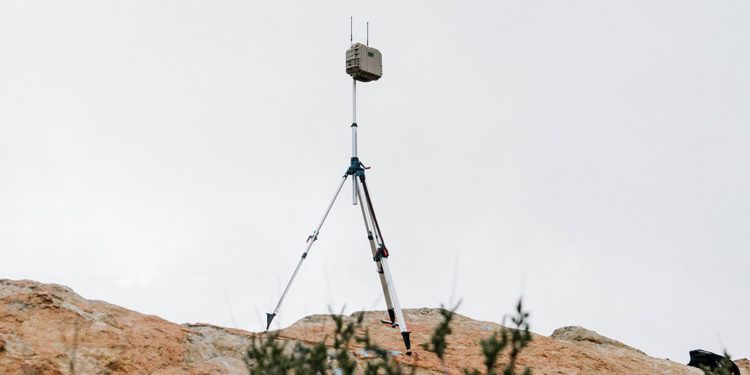
Building the EdgeRelay – goTenna and Bunker on what’s needed to ensure resilient, off-grid comms
In a previous article, we discussed the recent release of goTenna’s exciting EdgeRelay solution and how this semi-permanent, ruggedized support node enables tactical operators to have mission-critical communications and situational awareness capabilities when and where the mission requires them. However, creating a system tough enough to handle the harsh conditions

